Phineas Gage Kenney
The arithmetic that followed
In 1848 a man named Phineas Gage was packing blasting powder into rock with a tamping iron when the charge went early. The iron went in under his cheekbone and out through the top of his skull and landed eighty feet away. He lived. He walked to the cart. He sat up on the ride to town. The doctors were amazed. And then, slowly, everyone who knew him started saying the same thing.
Gage was no longer Gage.
I am forty six. In one year I have had two brain injuries. I am telling you this the way Gage's friends told each other. Something happened to the head, and the man is different now.
The first injury I did to myself. The kind of thing you can do to yourself for years while everyone including you calls it something else, until one day it stops being slow. That is the only honest way to describe it.
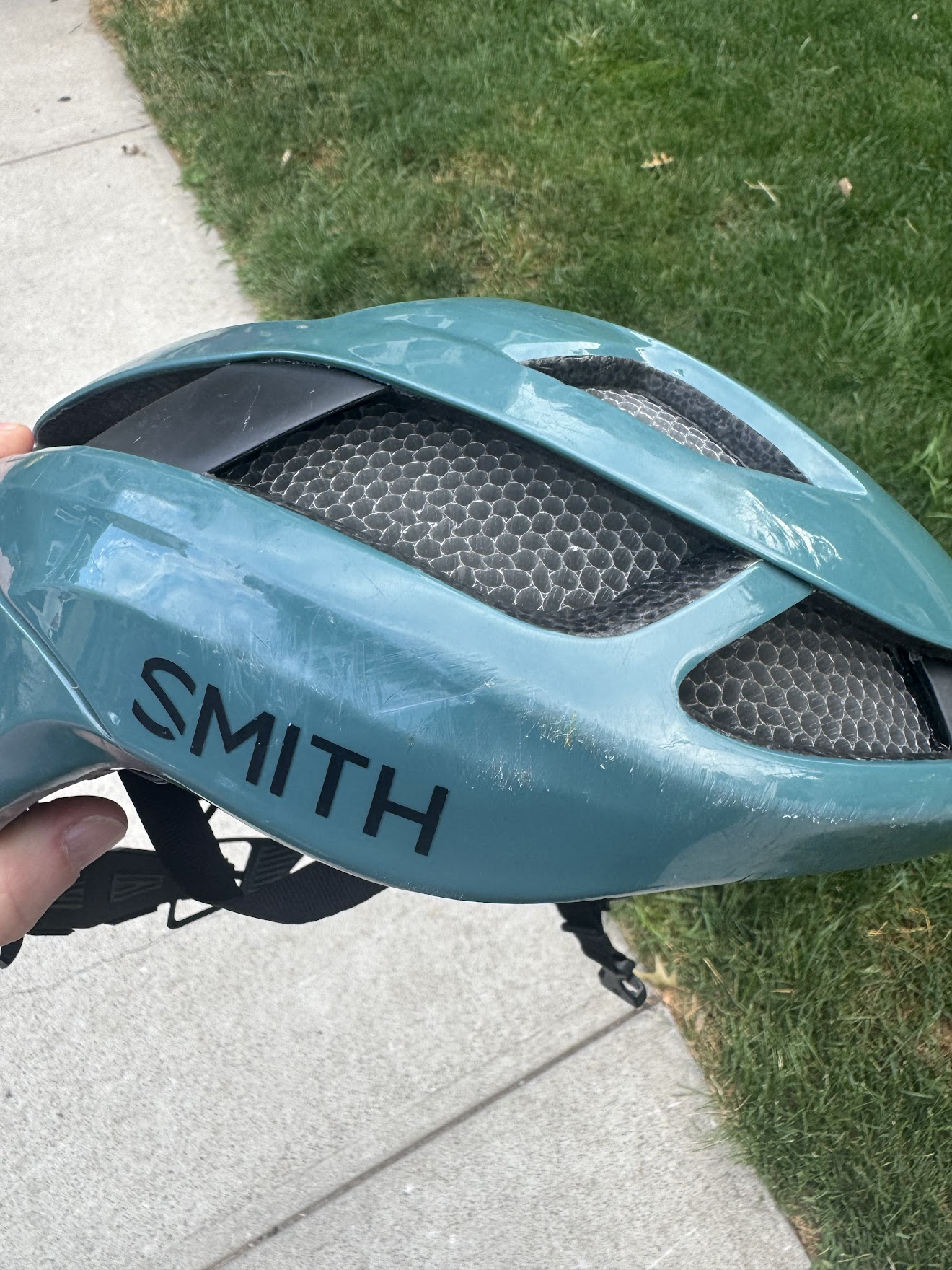
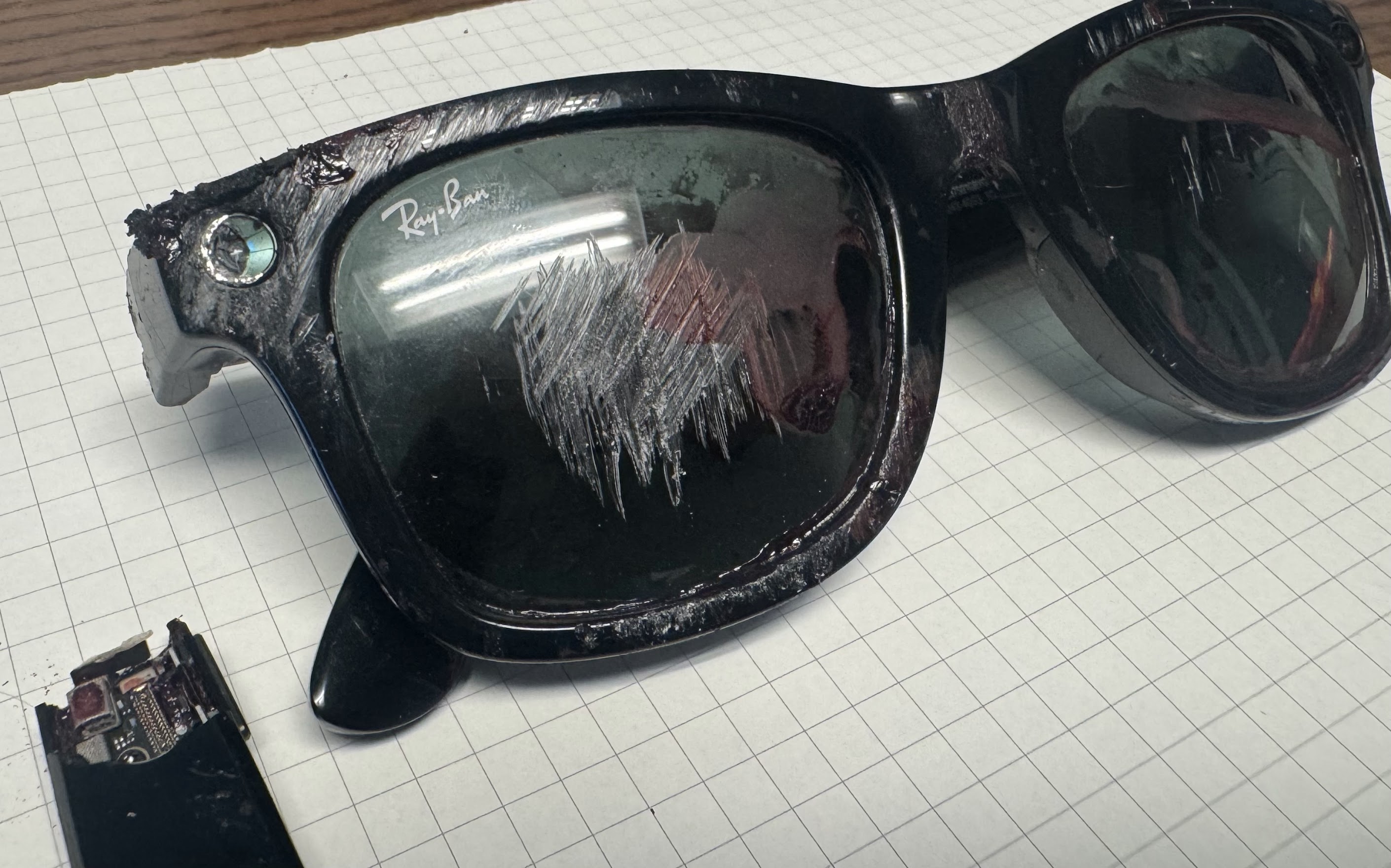
The second was blunt. On the thirteenth of June my head met a block of steel at twenty miles an hour, a few feet from my own front door. Force meeting bone. No metaphor available. Just impact. My children saw the aftermath.
I go in for an MRI in two hours. I will not pretend the waiting is easy. A machine is going to photograph the inside of my head and hand me a fact I will not be able to give back.
Since the accident I have talked to two psychologists, one psychiatrist, and a neurosurgeon. Two of those three professions I respect. One of the people was a bit sinister. I am not going to go into it. But the ones I met in that particular corner of medicine were joyless, vapid, and analytic, and every one of them had bad art in the office. To a person, bad art. Bad art, bad brain. I will leave it at that.
Two in one year does something to your sense of time. You stop assuming there is an infinite supply. You start counting. And when a man starts counting, he gets ruthless about what he spends.
So I have been spending differently.
I cut friendships loose. Not out of anger. Out of arithmetic. Some people cost more than they return and I no longer have the surplus to carry them. I stopped telling people certain things about my life. Not because the things are shameful but because the telling added nothing. It bought me nothing. A man with a finite head does not narrate himself to people who are not building anything with him.
I got efficient. That word used to embarrass me. It was cold and corporate. Not a virtue.
I used to be loud about politics. I was a Bernie man. I joined the Democratic committee of Essex County, Bloomfield. I believed the argument was worth having and that I was the man to have it. This year I did not run for reelection. I changed my affiliation to nothing. If I vote at all I will vote for whoever cannot win, the Libertarian, the Green, the name nobody recognizes, a ballot cast into the void on purpose.
Every year I reread Darkness at Noon. Every year it made a little more sense, a little more sense, and after my final reading a few months ago I could finally see what the author had in mind. I am done spending my time on good people caught in a weird inefficient system.
That is not despair. That is triage.
Here is where the head injury took me instead. I am doing what some people call the Benedict option. You stop trying to win the empire and you tend the small good thing in front of you. The family. The hours. You build the wall high enough to keep the noise out and the light in.
I have children. I have a fixed number of mornings left and I intend to know exactly what I am doing with each one. My father only had 14,873 mornings. I have had 16,841 mornings.
The story of Gage is usually told as a tragedy. The good foreman ruined. The personality gone. But nobody ever asked Gage. Maybe the iron took out the part of him that cared about the wrong things. Maybe what everyone called damage was the first clean thing that ever happened to him.
I cannot prove that. I only know that I hit my head and went unconscious for a time, and I woke up quieter, and for the first time in my life I know exactly where I am pointed.
Gage was no longer Gage.
Good.