
Donnie Brasco / Kevin William Kenney
filmfamilyessayDonnie Brasco is not a movie about the Mafia. It's a movie about a job. My father had a similar job.
Donnie Brasco (1997), dir. Mike Newell
I love this movie and I have never once watched it for pleasure. Every year or so I put it on anyway, the way you go back to a room in a house you grew up in, and every time I come out impressed and unwell.
The love is easy to defend. Every gangster picture ever sold to an American audience has been sold as an epic of family. Mike Newell made a film about a job.
He was the wrong director on paper, which is the entire reason it works. He had just come off Four Weddings and a Funeral, and he brought to organized crime the sensibility of a man who makes domestic comedies: no camera gliding through the Copacabana, no needle drop informing you that these people are glamorous, no operatic slow motion. He shoots the Mafia like a failing regional sales office. Guys in bad jackets, in bad rooms, complaining about money.
Al Pacino plays Benjamin "Lefty" Ruggiero as a middle manager who never got promoted. Thirty years in, a long and specific body count, and he still has to ask permission to go to Florida. This was 1997, the year of The Devil's Advocate, deep into the decade when Pacino mostly shouted. Here he plays everything small and tired and deferential, and it is the last performance he gave in which you can watch a man be humiliated in silence. Lefty is Willy Loman with a .38. His tragedy is that he is a criminal with no equity.
Johnny Depp gets the harder assignment and none of the credit, because the job is to disappear. You watch him decide, scene by scene, how much of himself to spend, and the film is honest enough to show him running out.
Here is the thing the movie understands that its more famous cousins do not. The American state discovered, somewhere in the middle of the last century, that it did not need to buy a man's loyalty or his labor when it could simply lease his personality, pay him a federal salary to become someone else for six years, and then act astonished when the equipment came back damaged. That is what undercover work is. Not a disguise but a slow, monitored, fully documented transfer of a self into somebody else's name, conducted by an institution that has budgeted nothing for the return trip.
Newell's structural gamble is to run it through two marriages at once. He cross-cuts Donnie and Maggie against Donnie and Lefty, and he gives the tenderness to the wrong one. Lefty teaches him how to dress, vouches for him, feeds him, worries about him. Maggie gets the parking lot fights, the marriage counselor, and a husband who has stopped bothering to lie convincingly. Anne Heche is stranded in a part written from the outside, which is the movie's one real failure, and she survives it on sheer conviction in two scenes. He has two families. He is only fully present for the one that is going to kill him.
Then comes the line the whole film is built to earn. Maggie tells him he's becoming like them. He says no. I'm not becoming like them. I am them.
My father was a DEA agent in Boston in the late seventies and early eighties. He worked undercover. He died at forty. I was too young to have my own version of him, so he comes to me secondhand, and the sentence everyone lands on is that he changed. Not what he changed into. Just that he did, and that everyone noticed, and that nobody thought to write it down.
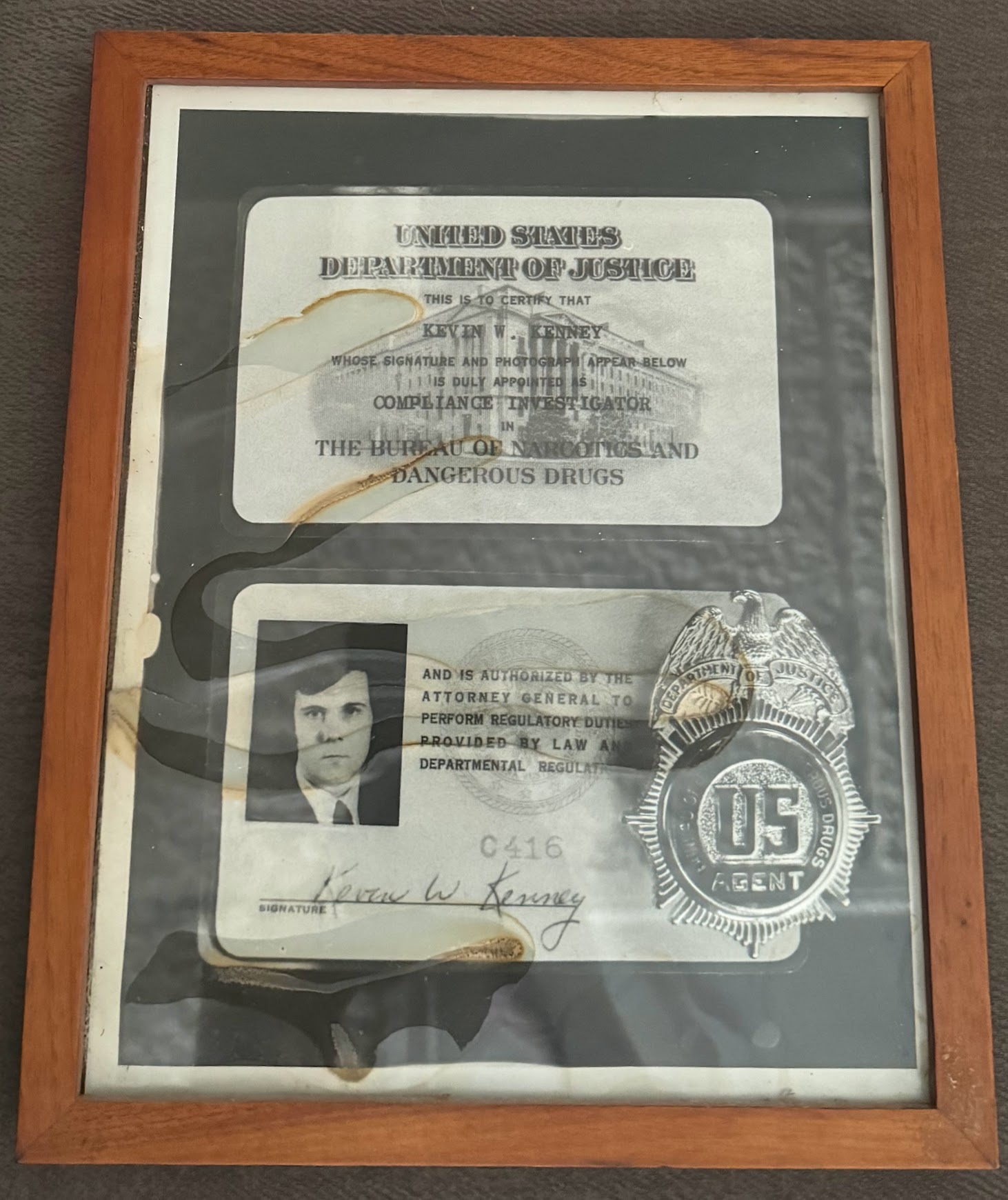
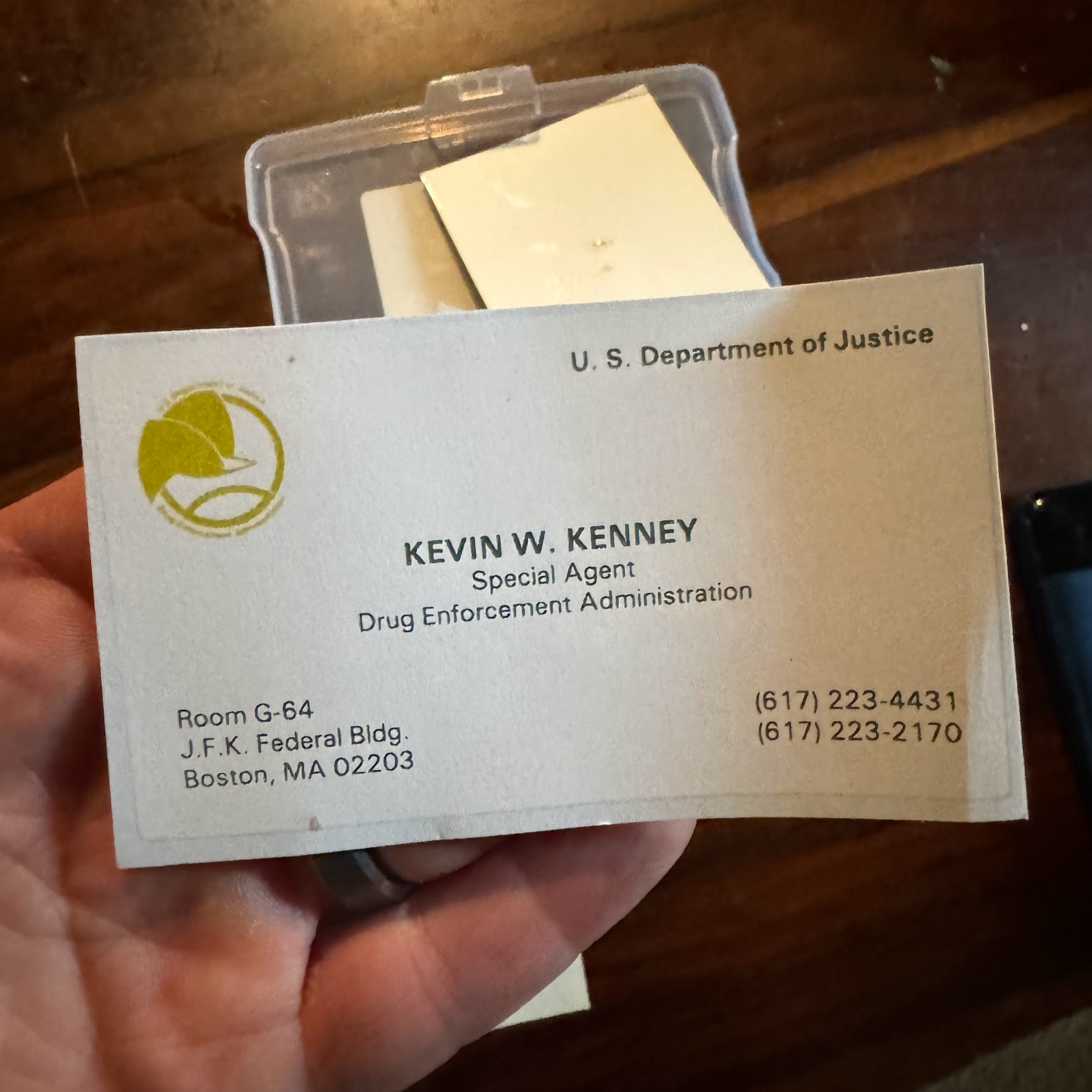
I learned recently that he had worked Whitey Bulger. This part is documented, not family legend. While the DEA was building a case on Bulger in Boston, the FBI's John Connolly was on Bulger's payroll, feeding him names and steering investigations off him, and rival agencies were misled for the better part of twenty years. So the film runs backward for me. Donnie Brasco is about a man whose bureau fails to protect him. My father worked a target another bureau was protecting, which is worse, because incompetence is weather and this was a decision somebody made and kept making.
The year I graduated college I called my father's old partner in Boston. I had a DEA orientation lined up in Newark. He told me that if I wanted a family, I should not take the job, and he put it at a hundred percent that I would end up divorced. I went to Newark, sat through part of it, and left. I have a wife and three kids.
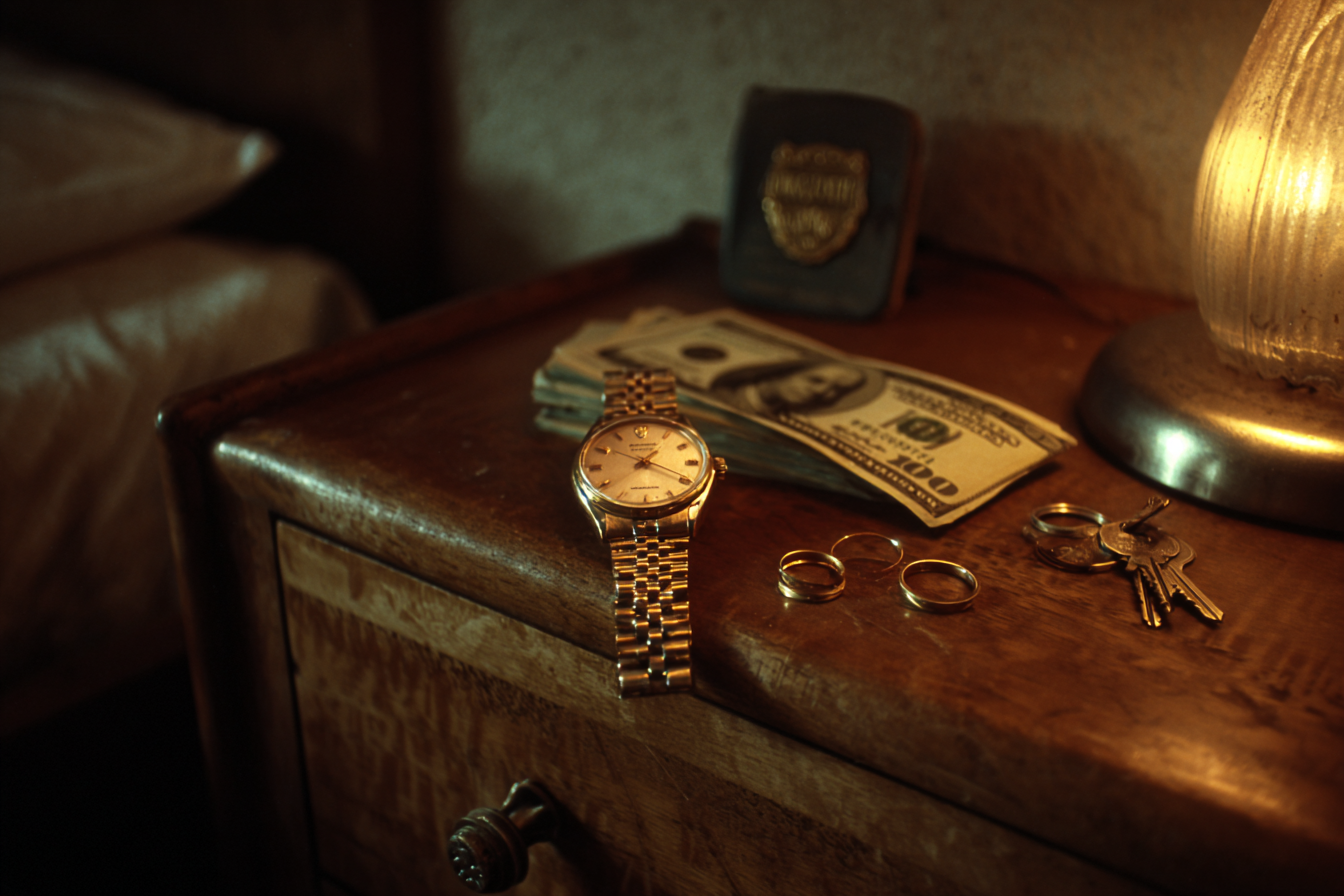
Which is the only reason I can be fair to the ending, and the ending is the best thing in the film. Pistone comes out. He gets a ceremony in his kitchen, a medal, and a check for five hundred dollars: thirty seconds of federal gratitude at civil service rates. Across town, Lefty takes the call he knows is the last one, empties his pockets, leaves his watch and his rings on the dresser for his wife, and walks out the door.
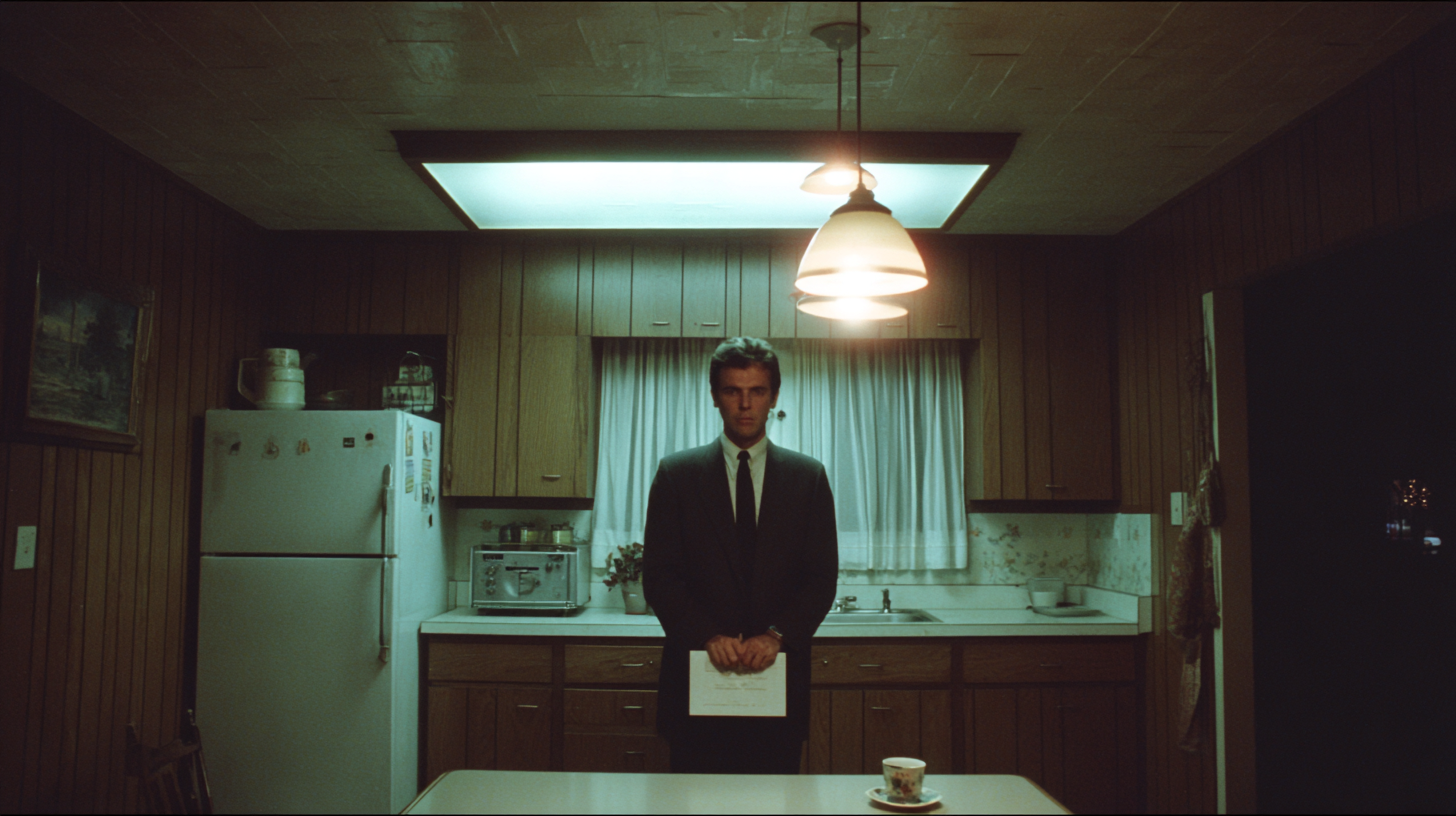
Newell does not follow him. The film has spent two hours telling you it is not that kind of picture, and it holds the line at the exact moment every other crime movie cashes in. You don't get the killing. You get a man tidying up.
The last shot is Depp's face. Grief, maybe. Or the arithmetic finally arriving, the recognition that he has just been paid five hundred dollars for a marriage.